
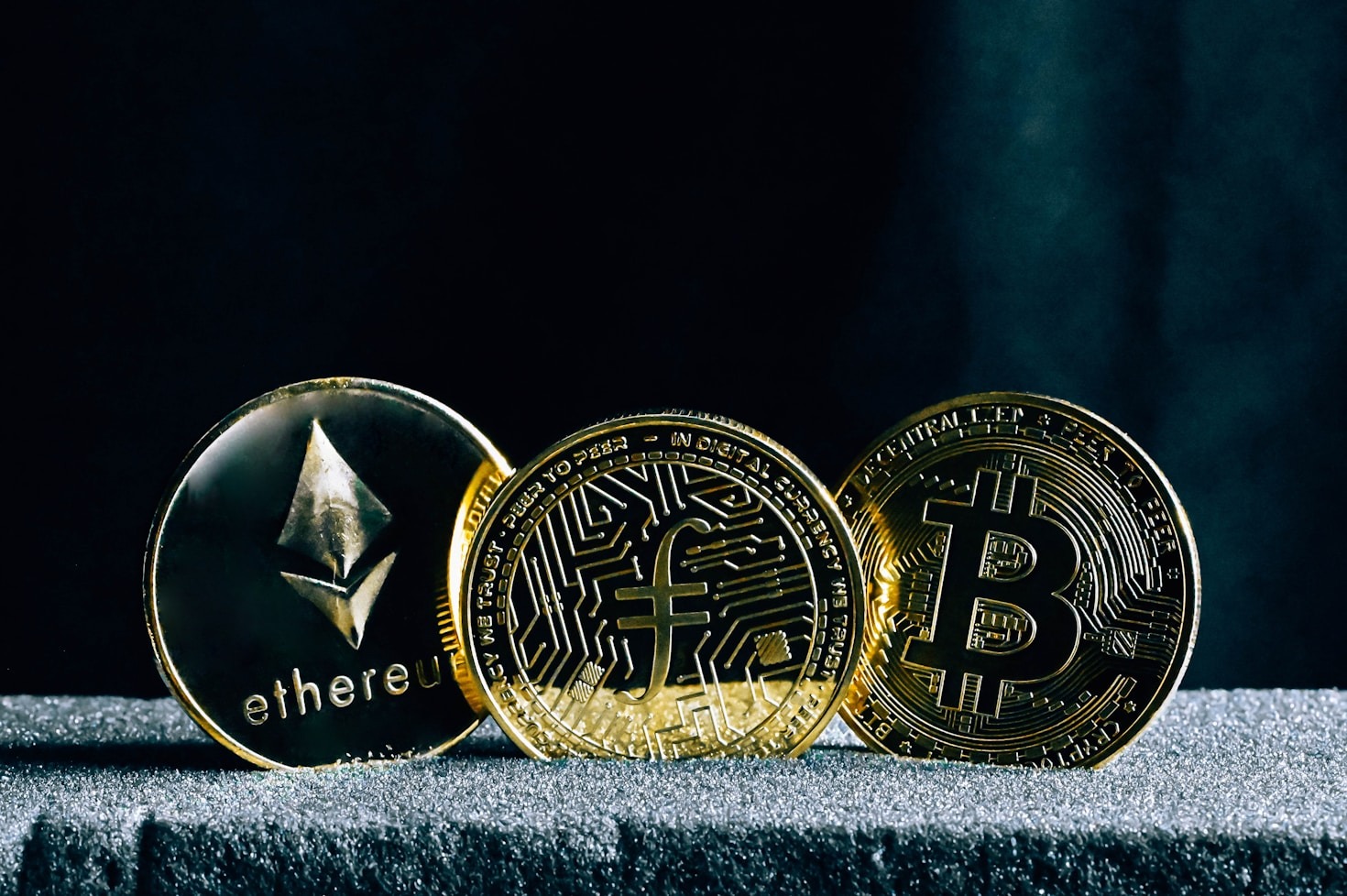
The financial landscape is undergoing a profound transformation, driven by the rapid rise of digital assets. These assets, which exist entirely in electronic form, include cryptocurrencies, tokenized securities, and other blockchain-based instruments. As technology continues to evolve, digital assets are redefining how value is created, stored, and exchanged across the global economy.
At the core of this shift is blockchain technology, a decentralized system that records transactions in a secure and transparent manner. Unlike traditional financial systems that rely heavily on intermediaries such as banks, blockchain enables peer-to-peer interactions without centralized control. This not only reduces transaction costs but also increases efficiency and accessibility, especially for individuals in underbanked regions.
Tokenization is another innovation driving this financial frontier. Real-world assets, such as real estate, art, or equity in a company, can now be represented as digital tokens on a blockchain. Tokenization allows assets to be divided into smaller portions, making them more accessible to individual investors. This not only increases liquidity but also opens up investment opportunities that were previously limited to wealthy or institutional participants.


Non-fungible tokens (NFTs) further illustrate the versatility of digital assets. NFTs create unique digital representations of ownership for items like digital art, music, and collectibles. Beyond their cultural impact, they provide a new class of financial instruments that can be bought, sold, or leveraged in decentralized markets, bridging the worlds of finance and digital creativity.
Despite these opportunities, digital assets come with risks
Decentralized finance (DeFi) platforms expand the possibilities of digital assets even further. Through DeFi, users can lend, borrow, and earn interest on their digital holdings without relying on traditional banks. Automated smart contracts handle transactions, reducing administrative costs and allowing users greater control over their funds. This democratizes access to financial services, particularly in regions where banking infrastructure is limited.
Price volatility, regulatory uncertainty, and security vulnerabilities remain major concerns. Investors and users must approach the space with caution, using secure wallets, diversified strategies, and staying informed about evolving regulations.
In conclusion, digital assets represent a groundbreaking shift in finance. By enabling decentralized transactions, tokenization, and new investment models, they create opportunities for greater accessibility, innovation, and efficiency in financial markets. As technology and regulations mature, digital assets are poised to play an increasingly central role in shaping the future of global finance.